From Initial Idea to a 5.5-Metre Canary Wharf Campaign Using AI
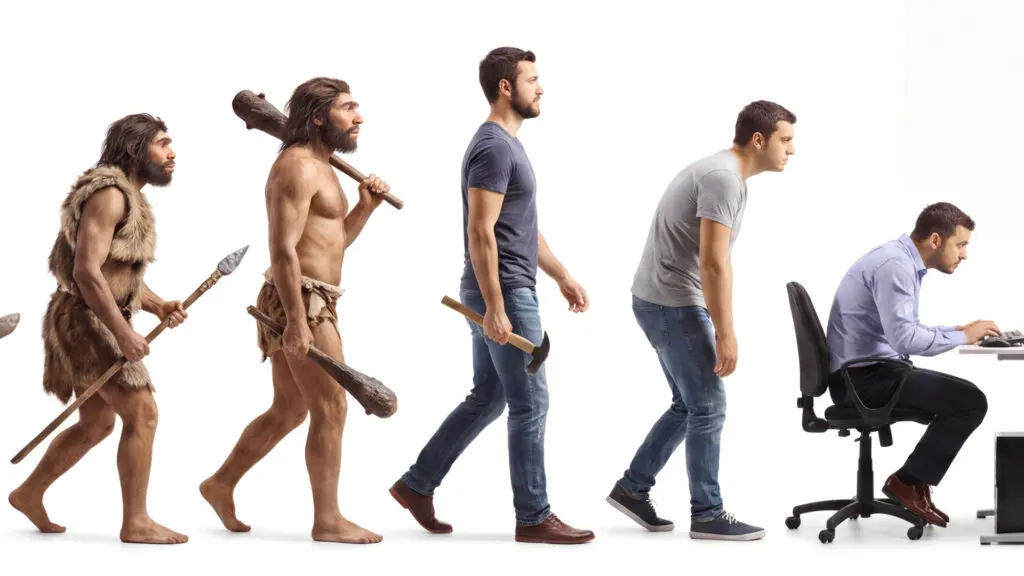
When Freedom Clinics approached us with an initial idea for a new advertising campaign, the concept was ambitious: create a striking, highly detailed visual that would capture attention within the busy surroundings of Canary Wharf in London.
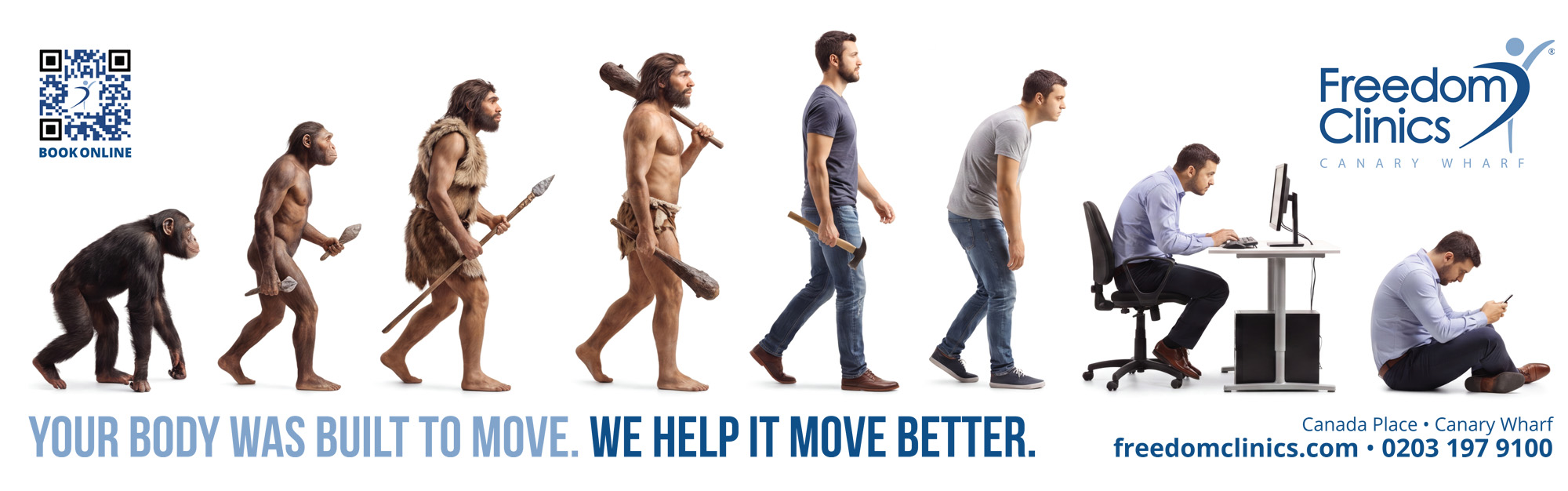
The finished artwork would need to work at an impressive 5.5 metres wide by 1.6 metres high. At that scale, every element needed to remain sharp, convincing and visually effective when viewed both from a distance and close up.
Turning an idea into a visual concept
Freedom Clinics provided us with the starting point for the campaign. Our role was to develop that idea, establish the visual direction and transform it into finished artwork suitable for large-format commercial printing.
Traditionally, creating an image of this complexity could require a combination of commissioned illustration, photography, extensive image manipulation and many hours of detailed Photoshop work. The process could easily take days or even weeks, with the associated production costs making this type of campaign difficult to achieve within a realistic budget.
By incorporating AI into our creative process, we were able to explore the concept much more quickly and begin visualising how the final campaign could look at an early stage.
AI as part of the creative process
AI did not simply produce a finished poster at the touch of a button. It became one part of a carefully managed creative workflow.
We used AI to develop and refine the visual idea, testing different compositions, styles, details and treatments. This allowed us to explore a much wider range of creative possibilities than would normally be practical within the available production time.
The strongest elements were then taken through several further processes. These included refining the composition, correcting inconsistencies, retouching individual areas, integrating the campaign messaging and preparing the artwork to meet the technical requirements of a large-format installation.
One of the biggest challenges with AI-generated imagery is resolution. An image that appears sharp on a computer screen may not contain enough detail to be reproduced successfully at over five metres wide. Specialist enlargement, enhancement and artwork preparation were therefore required to create a final image with the necessary quality and definition for print.
Faster production without compromising quality
The use of AI significantly reduced the time needed to move from the original idea to a fully realised visual. It also helped reduce the illustration and image-production costs that would traditionally have been required to deliver a campaign of this size and complexity.
Just as importantly, it gave the client the opportunity to see and respond to the visual direction much earlier in the process. Rather than committing significant time and budget before an idea could be properly evaluated, the concept could be developed, reviewed and refined more efficiently.
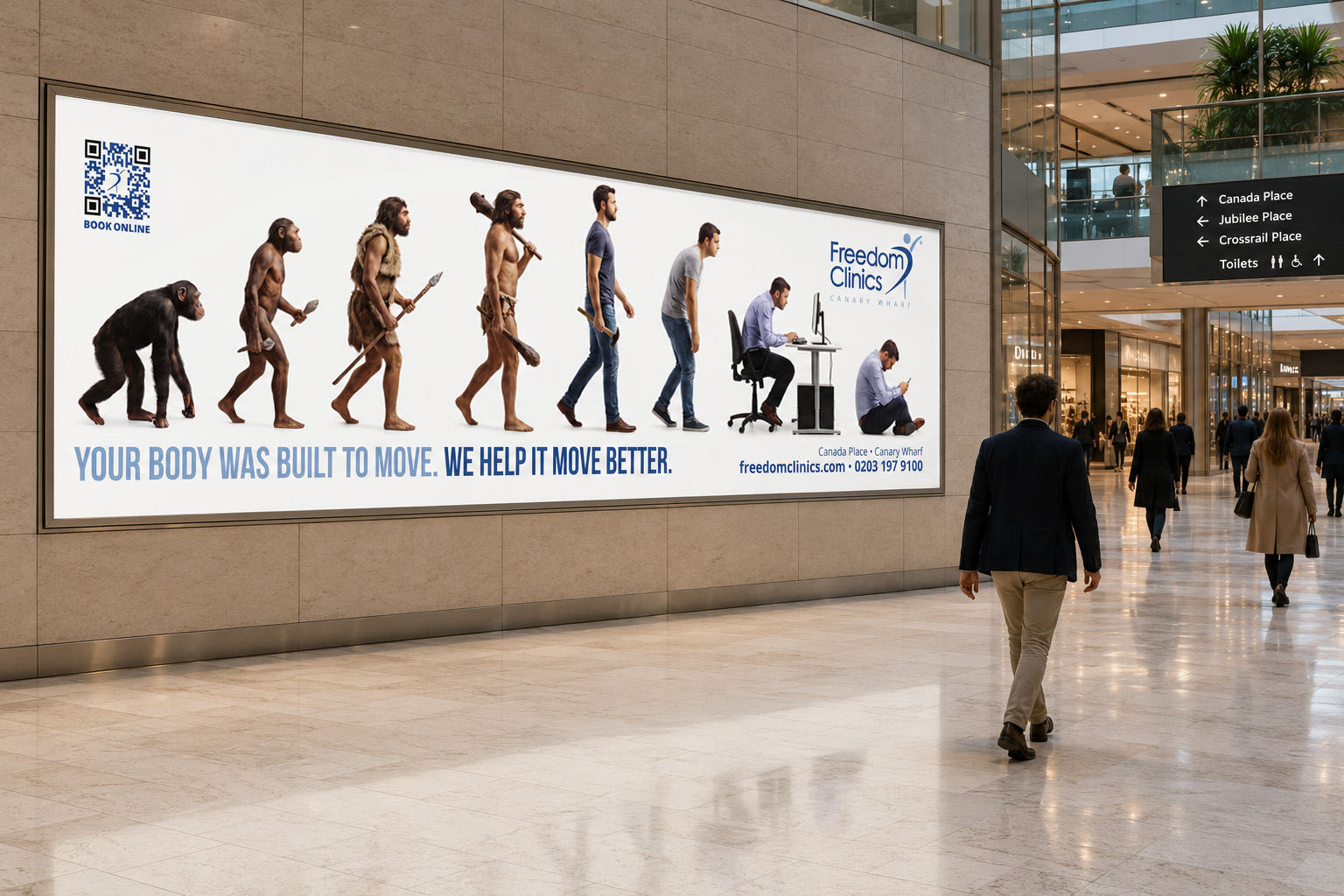
The result is a bold and memorable campaign artwork designed specifically for its large-format setting in Canary Wharf.
Combining AI with creative experience
This project is a strong example of where AI can offer real commercial value when placed in the hands of an experienced creative team.
AI enabled us to work faster and explore more possibilities, but the success of the finished campaign still depended on creative direction, design judgement, retouching, typography, image preparation and an understanding of professional print production.
For Freedom Clinics, this meant an ambitious initial idea could be transformed into a finished 5.5-metre advertising campaign without the extended timescales and substantial production costs that would once have been unavoidable.
It demonstrates that AI is not about removing creativity from the design process. Used properly, it allows us to push creative ideas further, produce work that may previously have been impractical and deliver more value for our clients.